🏡 The collections are getting a fresh start!
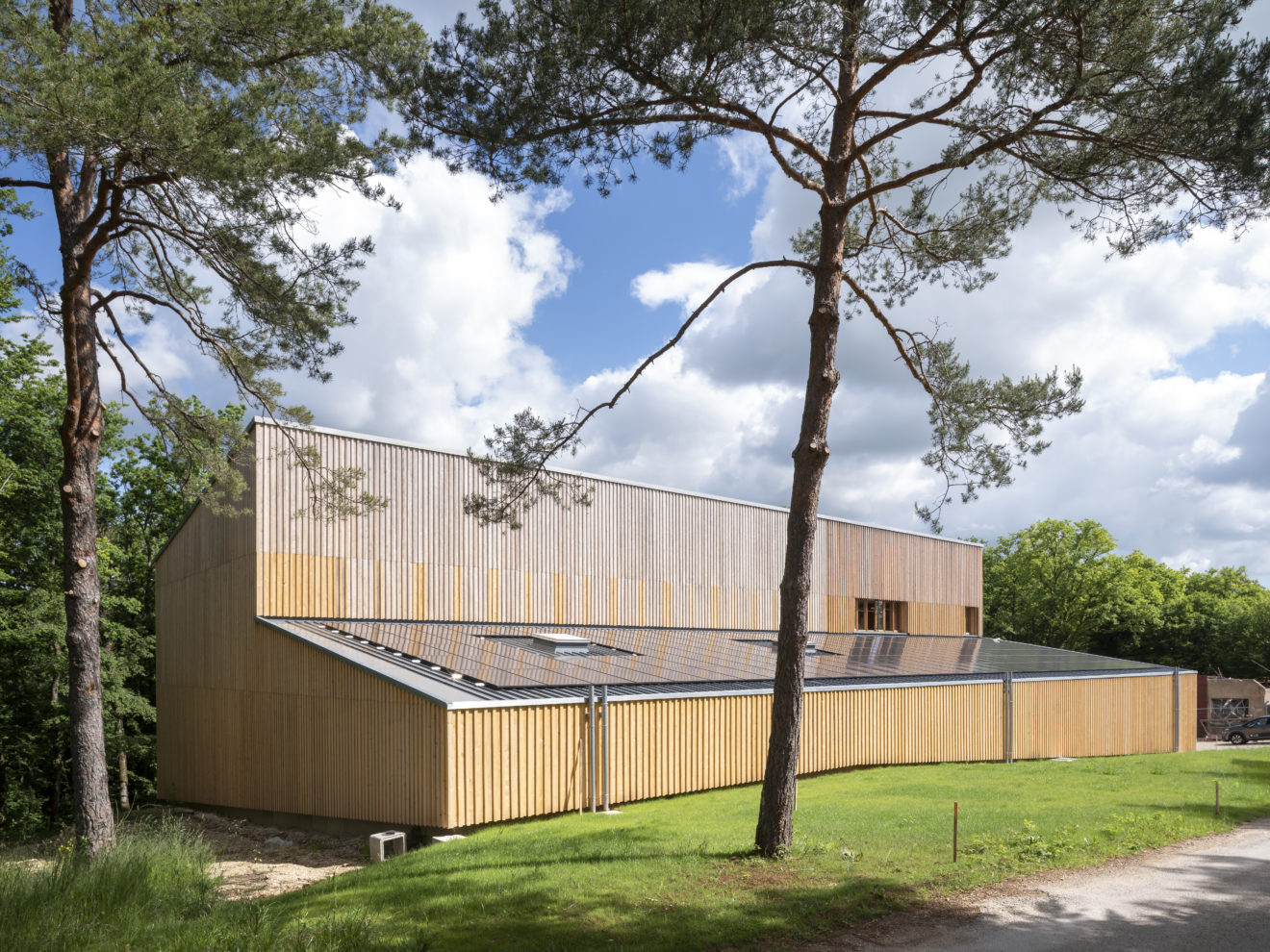
After several years of preparation, the collections of the Musée des Maisons Comtoises are set to move into a new storage facility designed entirely for their preservation, study… and future. Here’s a look back at this large-scale heritage project, which involved technical challenges, customized logistics, and a commitment to sustainability.
📅 A long-term project
This landmark project for the museum began in late 2018 with the launch of the architectural planning phase, which was entrusted to a multidisciplinary team.
Since then, several milestones have marked this ambitious project:
2019: preliminary studies and drafting of the program
Early 2020: architectural competition launched for the four phases of construction
September 2020: selection of the winning team (Charles-Henri Tachon, Guillaume & François Haton)
2020–2022: technical design phases, finalization of plans, submission of building permits
November 2022: temporary transfer of the collections to a facility in Bouclans
May 2023: demolition of the old storage areas and start of construction
March 2025: completion of the new building
May 2025: insecticide treatment of the collections
June 2025: start of the process of returning the collections to their new spaces
🏗️ A building designed for conservation
With a floor area of over 1,300 m², the new storage building combines technical performance with heritage preservation requirements. It consists of several specialized sections: a receiving dock, storage areas, restoration areas, an inventory room, a research space, and more…
The entire building was designed to ensure optimal thermal inertia:
Constant temperature between 16 and 24°C
Humidity regulated between 40 and 60%
Gentle air distribution, controlled by climate control units and perforated metal ducts
These conditions guarantee stable and long-term preservation for all of the museum’s collections.
🔥 A brand-new treatment for insects
Before being moved into the new storage facilities, the collections were treated to eliminate insects using a chemical-free heat treatment carried out by the Austrian company Thermolignum:
1,000 m³ of objects treated in 4 weeks
Temperature raised to 55°C for 3 hours
Constant humidity control
Total cost: €70,000
Items that could not be treated immediately were sealed in airtight bags while awaiting further processing.
📦 Precision logistics for oversized items
The move was meticulously coordinated by the museum’s conservation department, consisting of Florence, Sandrine, and Margaux. The first phase, entrusted to the company Bovis, involved the heaviest and bulkiest objects: 260 items were moved over the course of three weeks, some weighing up to 3 metric tons!
Custom-made rolling platforms were fabricated to ensure they could be handled safely. The second phase of the move, which will involve the remaining 19,000 objects stored in various locations throughout the museum, will be handled in-house.
💶 An investment for future generations
The total cost of the project is €3,229,312 (including tax), funded with support from several partners:
Europe (ERDF): €708,740
French government (DRAC): €595,000
Bourgogne-Franche-Comté Region: €650,366
Joint Authority (Doubs Department, GBM, loan): €1,275,206
👀 What now?
The building’s completion, scheduled for March 2025, marks a new era for the museum. This new facility will enable:
Better conservation of the collections
Enhanced accessibility for the study, restoration, and promotion of the objects
Increased rotation of the pieces on display in the permanent exhibition
A more enriching presentation of the museum’s heritage to all audiences
👏 Thank you to all the individuals and institutions supporting this ambitious project, which is essential to the museum’s mission of preservation and outreach.